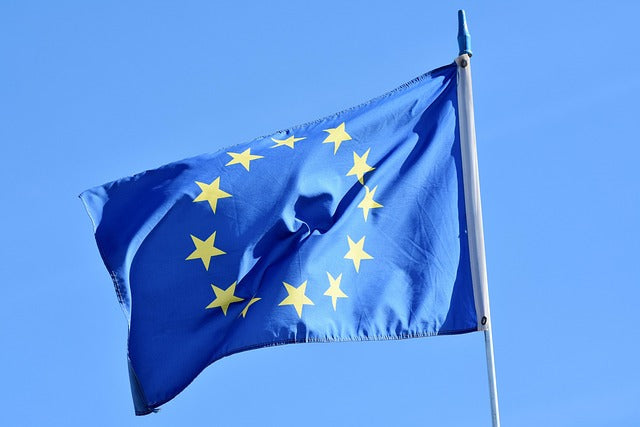
Are you a seller of cannabidiol (CBD) products looking to expand into new markets outside of France? Legislation within the European Union is not uniform, which is why it’s essential to understand each country’s national regulations. Here’s an overview of regulations from one country to another, along with our tips for selling CBD legally.
Is it possible to sell CBD within the EU? What the law says
Yes! According to the Court of Justice of the European Union, no Member State may prohibit the sale of CBD if it has been legally produced in another Member State. Since CBD is not a narcotic, it may therefore circulate freely among Member States.
While the sale of CBD as a substance cannot be banned within the EU, each country has the right to regulate or restrict its use or consumption. This is the case, for example, in Lithuania: while CBD as a substance is not banned, certain forms are not authorized for sale. These include products intended for ingestion, such as oils and capsules.
Where can you sell CBD in Europe? The situation by country
Within Europe, a product that is legal in one country may not be legal in another.
| Legal THC limit | Key takeaways | |
| France | 0,3 % | CBD must be derived from hemp varieties approved at the European level. |
| Switzerland | 1 % | Flowers, resins, oils, CBD vaporizers, cosmetics… A wide range of products can be sold. |
| Germany | 0,2 % | "Raw" flowers and products still raise concerns under German law, even when they contain a legal THC level. Their sale may be subject to scrutiny, with the 0.3% threshold often applied. For processed products (oils, capsules, candies, etc.), the threshold is 0.2%. |
| Italy | 0,6% | Italy is currently attempting to ban the sale of CBD, and the matter has been referred to the European Commission. For now, the regulations remain in a state of flux. |
| United Kingdom | Products must contain less than 1 mg of THC per finished product, regardless of their concentration. Flowers are illegal. | Strict labeling regulations All CBD products intended for ingestion must be registered with the FSA (Food Standards Agency) |
| Spain | 0.3% allowed, 0.2% is often the standard in stores. | The sale of CBD cosmetics and topical products is permitted. Oral consumption is prohibited, unless authorized as a dietary supplement. |
| Netherlands | 0,05% | Since this threshold is very strict, sellers need to be careful. A CBD oil that is permitted in France (0.3%) does not comply with Dutch law. |
| Portugal | 0,2% | You can even buy CBD at a pharmacy with a prescription. |
| Belgium | 0,2% | It is prohibited to smoke CBD or drink CBD-infused teas, even if they comply with the legal THC limit. CBD oils, capsules, and cosmetics are permitted. |
How can you legally sell CBD in Europe?
For CBD sellers looking to market their products in Europe, there are several factors to consider:
· Hold the certificate of analysis
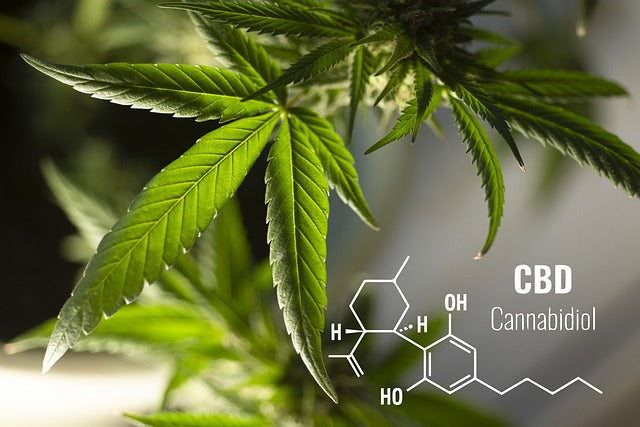
To prove that your CBD products comply with local regulations, you must provide a Certificate of Analysis (COA). This is issued by an independent third-party laboratory. At Tithan, a trusted CBD wholesaler, we guarantee products that are 100% legal in most EU countries. To help you avoid any issues during inspections, we provide up-to-date certificates for all our batches, including the exact THC and CBD levels.
· Do not make false health claims
CBD products should not be sold as medicines or claimed to have healing properties. Caution is advised: in your marketing materials, use terms such as “helps promote relaxation” or “contributes to improved well-being.” CBD is a complementary aid, not a cure.
· Work on labeling
A properly labeled product containing all the necessary information helps prevent delays at customs. The exact product name, CBD/THC content, instructions for use, precautions—everything must be clearly stated. You should also prepare a compliance package that includes the certificate of analysis, as well as the product sheet and the invoice from the supplier or wholesaler.

Share:
CBD in food: what restrictions should be taken into account?
CBD/THC Regulations in Food Products: Key Takeaways from the 2026 Inspection Plan Presented by the DGAL